The activity of the Sustainable Architecture area focuses on the development of innovative and sustainable construction solutions applied to building projects, with a comprehensive approach that covers energy efficiency, full-scale rehabilitation, structural reinforcement with advanced materials, industrialization of the construction process, and on-site safety. The group combines applied research, technology transfer, and collaboration with companies to generate real impact in the sector. It also participates in demonstration projects and the training of new researchers. Furthermore, it promotes the use of digital technologies to optimize project design and management. It encourages a circular economy through material reuse and waste reduction. Its research lines include passive solutions for thermal comfort and the integration of renewable energies.
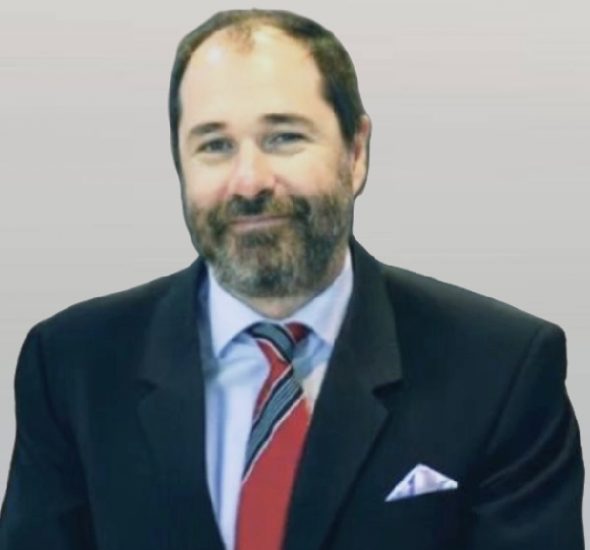
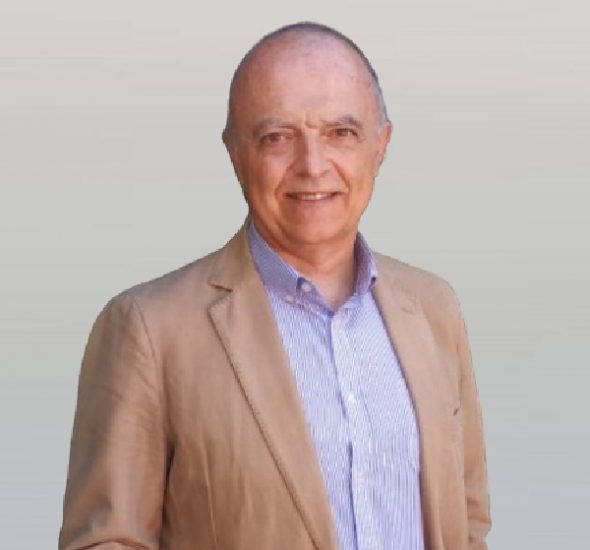
Area Director
Sergio Vega
Discover our
Projects
Take a look at our
Publications
Stay up to date with
Related News
Research Lines
1.- Industrialized Construction:
- Application of prefabricated and modular processes to reduce timeframes and costs.
- Optimization of the building lifecycle through industrialization.
- Technological integration on-site to facilitate monitoring and disassembly.
2.- Design for Disassembly:
- Design strategies aimed at facilitating future modifications, recycling, or reuse.
- Evaluation of materials and connected systems that allow efficient separation.
- Business and logistics models for disassembly as part of the building lifecycle.
3.- Monitoring and Experimental Evaluation of Components in Test Cells:
- Collection of performance, durability, and aging data of construction components.
-
Comparative analysis and validation of new solutions against conventional standards.
4.- Living Labs, Buildings, and Urban Environment:
- Implementation of demonstrator environments where integrated technologies are tested in buildings and urban fabrics.
- Real interaction with users and the environment to evaluate adoption, behavior, and outcomes.
- Transfer of results to the urban context for replicability and scalability.
5.- Reality Capture Applied to Construction:
- Use of 3D scanning, drones, and photogrammetry to capture the “as-built” condition of buildings.
- Integration of reality-capture data with BIM models for quality control, monitoring, and maintenance.
- Application in rehabilitation, selective demolition, and construction monitoring.
6.- Computational Design and Algorithmic Thinking:
- Development of algorithmic methods to generate geometries, spaces, and construction solutions.
- Parametric programming tools applied to architectural and structural design.
- Automated scenario analysis for optimization of resources, form, and use.
7.- Architectural Geometry:
- Study of complex geometries in architecture: free-form surfaces, double curvature, unconventional structures.
- Modeling, calculation, and fabrication of advanced geometric elements.
- Integration of form, function, and constructability in advanced architectural projects.
8.- Artificial Intelligence in Architectural Design:
- Application of artificial intelligence techniques (machine learning, neural networks, genetic algorithms) in the architectural design process.
- Automatic generation and evaluation of design proposals based on sustainability, efficiency, and comfort criteria.
- Interaction between human designers and intelligent systems to enhance creativity and decision-making.
9.- Technology Transfer from Film to Architecture:
- Adaptation of technologies from the film industry (virtual reality, motion capture, immersive visualization) to the architectural field.
- Development of workflows that transfer cinema and digital media processes to architectural design, presentation, and construction.
- Creation of immersive experiences of architectural spaces and urban environments for communication, validation, and participation.
Area members

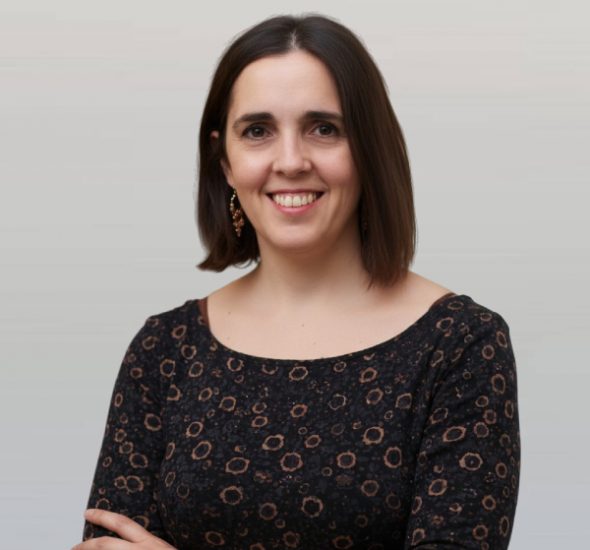
Beatriz Arranz
Contracted Doctoral Professor

Sergio Vega
Full Professor

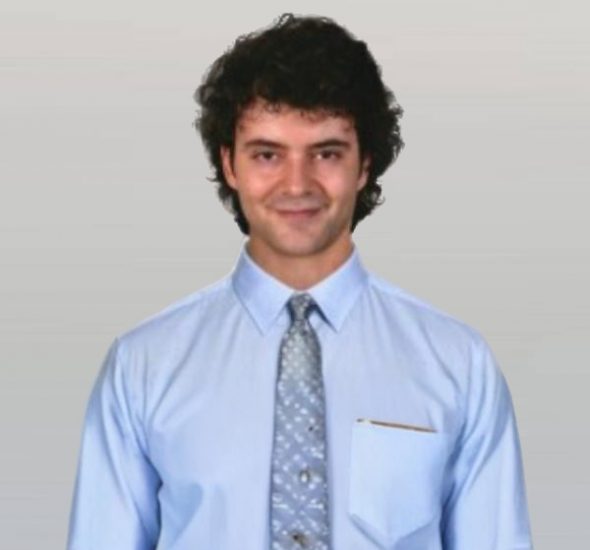
Federico del Blanco
Permanent Academic Professor

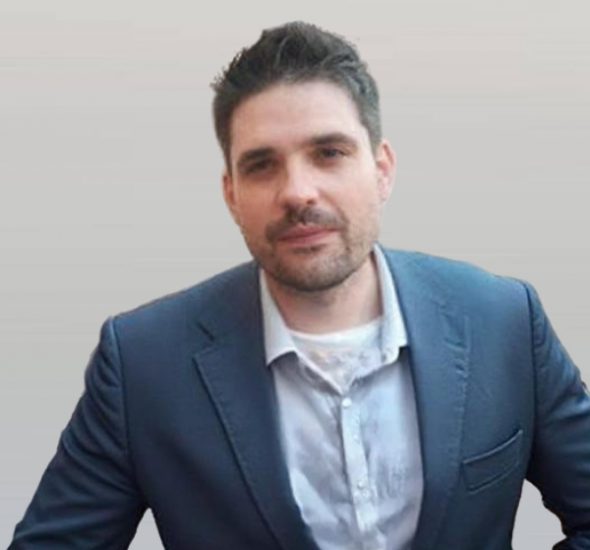
Luis Javier Sánchez
Contracted Doctoral Professor

Adolfo García
Adjunct Professor

Manuel Soler
Adjunct Professor