
A wide range of topics are covered in the areas of Biometrics, Biosignals, and Cryptography, including the design of biometric identification systems (monomodal and multimodal techniques, security evaluation, and liveness detection); stress detection systems based on physiological signals and the analysis and detection of biomarkers in human odor for medical and biometric purposes; public-key cryptography (elliptic and hyperelliptic curves, secure encryption and signature protocols); crypto-biometrics, particularly based on iris and fingerprint; cybersecurity; and medical image analysis. The area integrates advanced signal processing and machine learning methods to improve the accuracy and robustness of biometric systems. It also develops solutions focused on privacy protection and the secure management of digital identities. Its research is applied in both healthcare environments and security and access-control systems.
Area Director
Carmen Sánchez
Discover our
Projects
Take a look at our
Publications
Stay up to date with
Related News
Research Lines
1.- Biometrics:
- Physical access control to buildings using facial or iris recognition.
- User authentication in IT systems without passwords.
- Employee tracking via biometrics on mobile devices.
- Identity validation in secure electronic voting.
- Anti-fraud systems in banking and digital payments.
- Biometric recognition in surveillance cameras for real-time alerts.
- Attendance control in classrooms or facilities using fingerprint recognition.
- Integration of biometrics in electronic passports and border controls.
- Healthcare applications: rapid, contactless patient identification in emergency rooms.
2.- Biosignals:
- Remote monitoring of patients with chronic diseases.
- Brain-computer interfaces (BCI) for contactless system control.
- Evaluation of stress and fatigue in industrial workers.
- Biofeedback in psychological or neurocognitive therapies.
- Early detection of epileptic seizures using EEG.
- Integration of biosignals in VR simulators for medical or military training.
- Analysis of athletic performance using EMG sensors and heart rate monitoring.
- Evaluation of emotions in user experience or marketing studies.
- Adaptive emotional interaction in virtual environments (VR/AR).
3.- Security:
- Automatic intruder detection via intelligent video surveillance.
- Facial recognition to identify individuals in real time.
- Building access control with biometric multi-factor authentication.
- Cyberattack prevention in IoT devices using machine learning.
- Lightweight encryption for sensors in Smart City environments.
- Integration of alarms and smart cameras into centralized platforms.
- Analysis of anomalous behavior patterns in data networks.
- VR simulation of crisis scenarios for cybersecurity training.
- Secure geofencing for vehicles or mobile devices in restricted areas.
4.- Smart Mobility:
- Intelligent traffic light management in real time using sensors and AI algorithms.
- Early warning systems for autonomous vehicles regarding vulnerable road users (VRUs).
- Integration of mobility data with Smart City platforms to optimize public transport.
- Detection and analysis of traffic blackspots using computer vision.
- Virtual design and validation of inclusive urban infrastructure (for people with reduced mobility).
- Smart parking management systems connected to the surrounding environment.
- Modeling of mass evacuations in urban areas or enclosed venues via simulation.
Area members
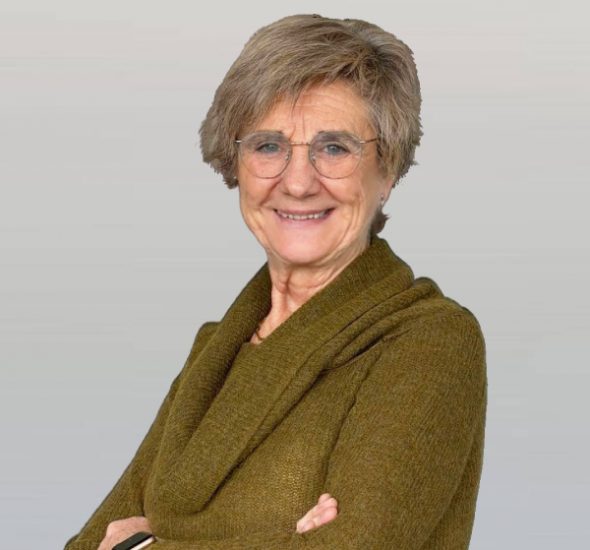
Carmen Sánchez
Full Professor
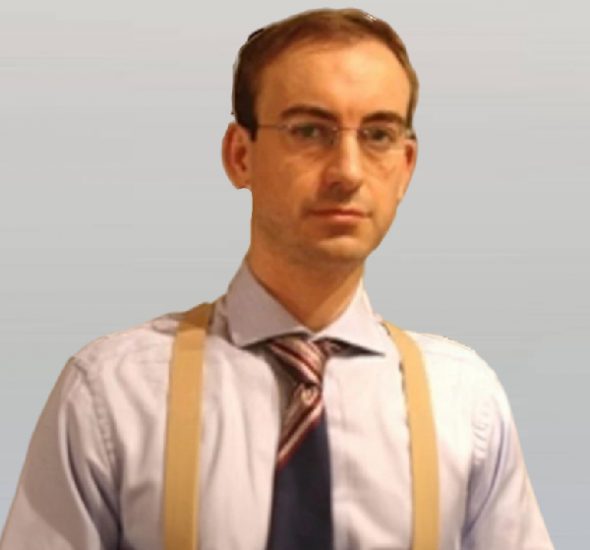
Vicente Jara
Permanent Academic Professor

Mª José Melcón
Adjunct Professor