The Internet of Things – Energy Efficiency research line at CeDInt has extensive experience in the communication protocols and control technologies most widely used in industry. Its scientific activity focuses on the development of new intelligent systems based on ICT, incorporating ambient intelligence and context-awareness algorithms to implement energy efficiency strategies in buildings and other environments. Additionally, we have significant experience in developing standard Open-IoT (Internet of Things) solutions based on open software and hardware. These include wireless monitoring and control networks (energy consumption, environmental parameters, and user presence) as well as middleware platforms for the intelligent management of buildings and other infrastructures (public lighting, Industry 4.0, etc.).
Head of Research Line
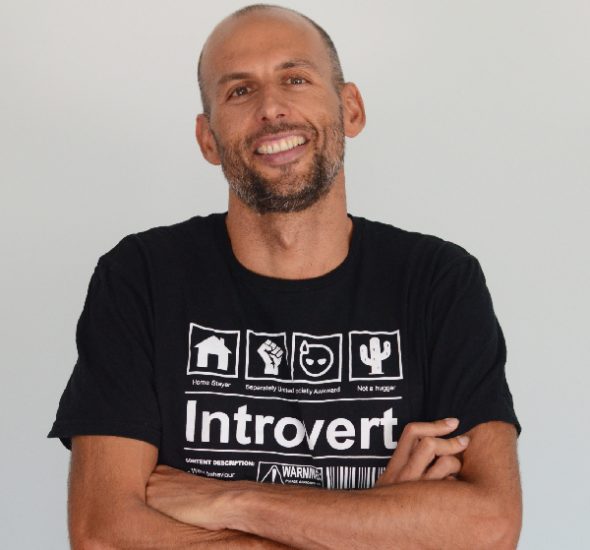
Guillermo del Campo
Discover our
Projects
Take a look at our
Publications
Stay up to date with
Related News
Activities
1.- Control Technologies for Buildings and Other Infrastructures (public lighting, Industry 4.0, etc.):
- Usability and interoperability testing.
- Integration of technologies and protocols (KNX, Lonworks, X-10, DALI, ZigBee, EnOcean, 6LoWPAN, etc.).
- Development of multi-technology platforms for buildings (lighting, HVAC, blinds, loads, and appliances).
- Design of intuitive and user-friendly graphical interfaces for web and mobile applications.
2.- Wireless Sensor and Actuator Networks:
- Definition of standards.
- Development of hardware devices (sensors, actuators, and coordinators) compatible with IoT standards (Internet of Things).
- Development of wireless sensor networks based on open standards (IPv6).
3.- ICT-Based Systems for Energy Efficiency:
- Home energy measurement and control systems: real-time monitoring of energy consumption (electricity, water, and gas).
- Smart metering: development of software systems to visualize, analyze, and predict energy consumption.
- Design and development of software modules for OSGi gateways.
- Design and development of advanced control systems and user interfaces for monitoring and managing energy consumption.
- Development and implementation of algorithms and residential gateways for household load control.
- Cloud services (energy management, security, etc.) for building management platforms.
4.- Energy Optimization:
- Energy certification in buildings: application of tools and methodologies in accordance with legislation.
- Analysis of BMS (Building Management Systems) in building energy performance.
- Definition and analysis of KPIs for evaluating building energy behavior.
5.- Intelligent Spaces:
- Integration of concepts related to Ambient Intelligence and Context Awareness in residential gateways.
- Application of Ambient Intelligence concepts in the control logic of solid-state lighting systems.
- Algorithms (Artificial Intelligence, Ontologies, Fuzzy Logic, etc.) for consumption prediction and optimization.
6.- Smart Grids:
- Development of advanced control solutions for managing energy efficiency in buildings as active elements of a Smart Grid.
- Definition of ICT-based services for active demand management and dynamic pricing.
7.- Smart Lighting:
- Intelligent lighting control systems for indoor and outdoor environments.
- Lighting regulation based on presence detection and ambient light.
- Use of RGB LED technology for creating comfortable environments.
8.- Environment and Sustainability:
- Development of software tools for validating REDD+ technologies (Reducing Emissions from Deforestation and Forest Degradation) and CDM (Clean Development Mechanisms).
Research Line Members

Guillermo del Campo
Permanent Academic Professor

Asun Santamaría
Associate Professor

Roberto Prieto
Full Professor

Edgar Saavedra
Assistant Professor (PhD)

Igor Gómez
Doctoral Researcher

Juan Carrero
Research Fellow

Héctor Borreguero
Master’s Thesis Student

Adrián Pérez
Master’s Thesis Student

Pablo Simón Martín
Bachelor’s Thesis Student