This laboratory and its facilities are affiliated with the Network of Laboratories and Infrastructures of the Autonomous Community of Madrid (CAM), under registration number 429.
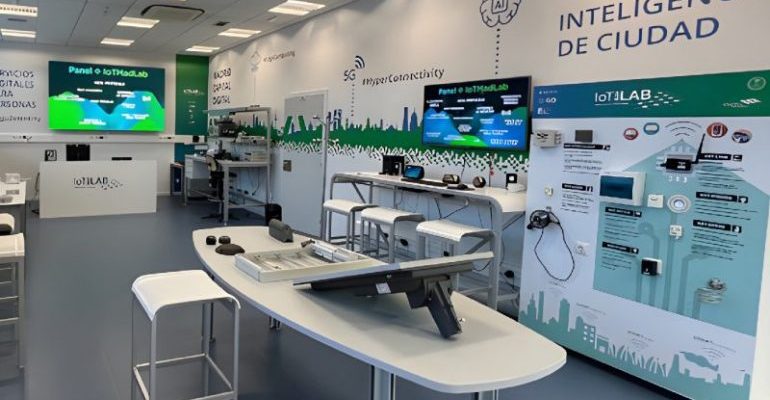
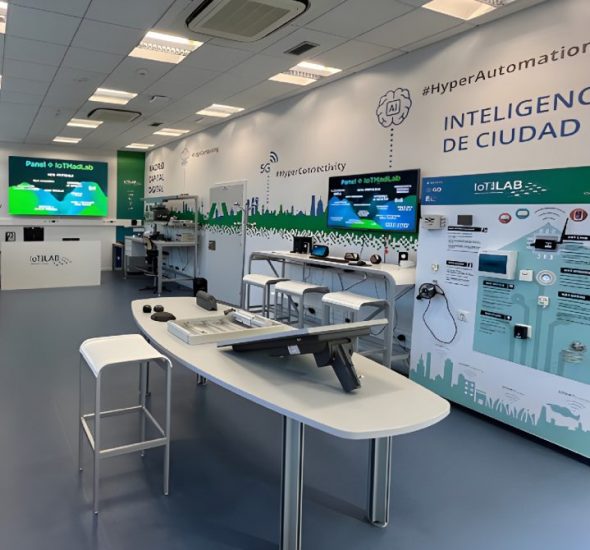 Sustainable Research Laboratory Using ICT-Based Tools. Devices for monitoring energy consumption and for controlling loads and usage are designed, manufactured, and deployed, all as part of a system called BatNet.
These interventions aim to optimize energy consumption and improve energy efficiency through the installation of monitoring devices (measuring temperature, humidity, luminosity, noise, and energy consumption) and control systems (lighting, HVAC, presence-based control), all managed via middleware and a set of applications that allow users to view and interact with all monitored parameters.
Most of the infrastructures, equipment, and techniques in this laboratory revolve around BatNet. BatNet is CeDInt’s in-house development for wireless sensor networks.
The lowest layer (the IoT end devices) is based on open standards such as IEEE 802.15.4 and 6LoWPAN, with ad-hoc hardware designed for different purposes: energy measurement, environmental parameter measurement, lighting control, smart streetlights, etc. Technologies such as Sigfox, LoRaWAN, and LTE are also used.
The upper layers consist of servers and databases for data analysis, configuration, and support for external applications (such as integration with Amazon Alexa or Spatia). Communications are encrypted across all layers, with the lowest layer being the only one where encryption is optional.
.
- IoT Deployment
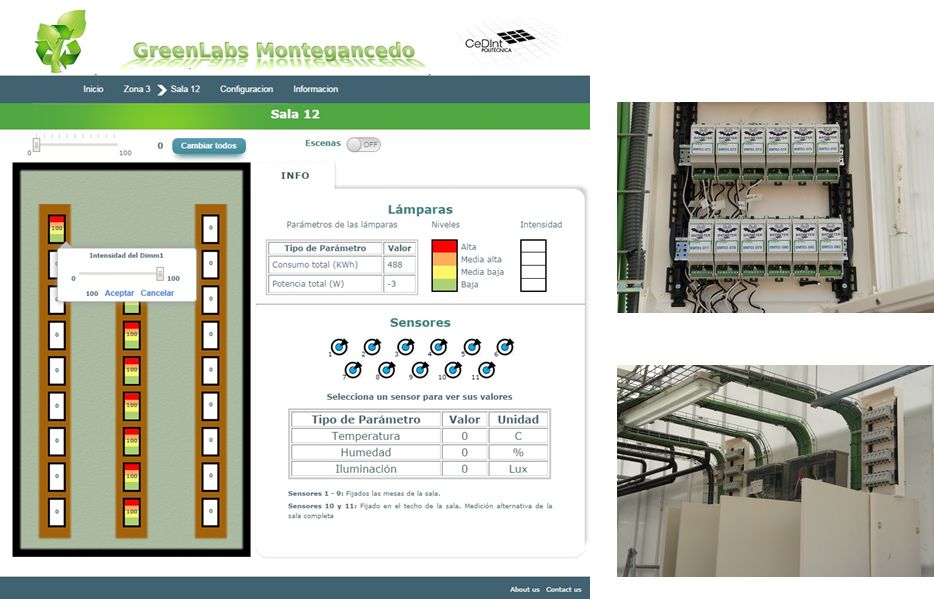
- Green Labs Pilot
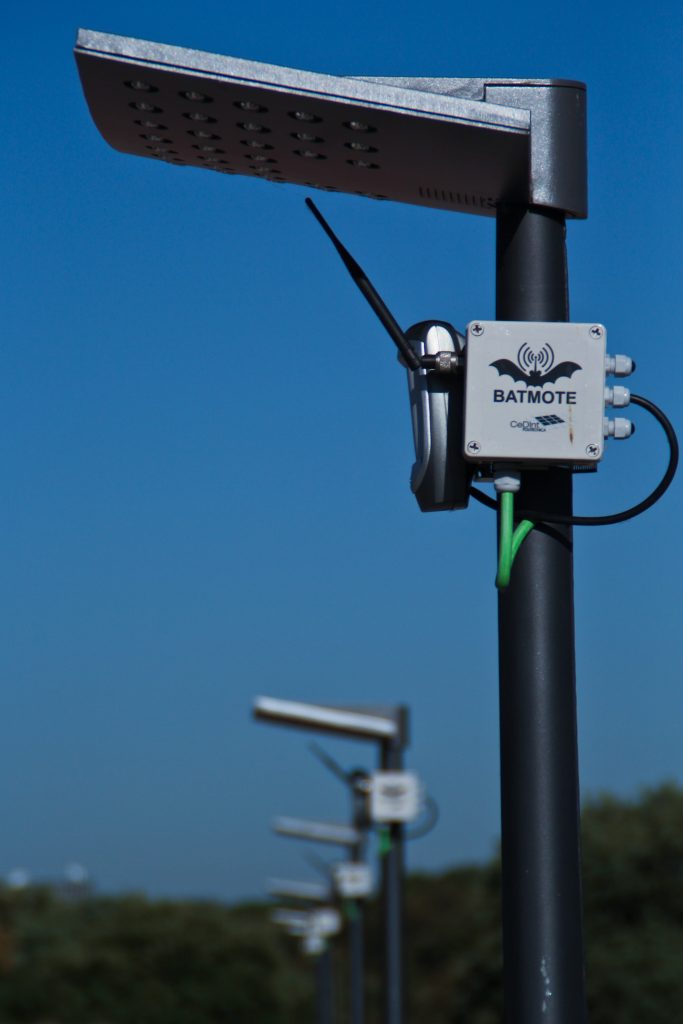
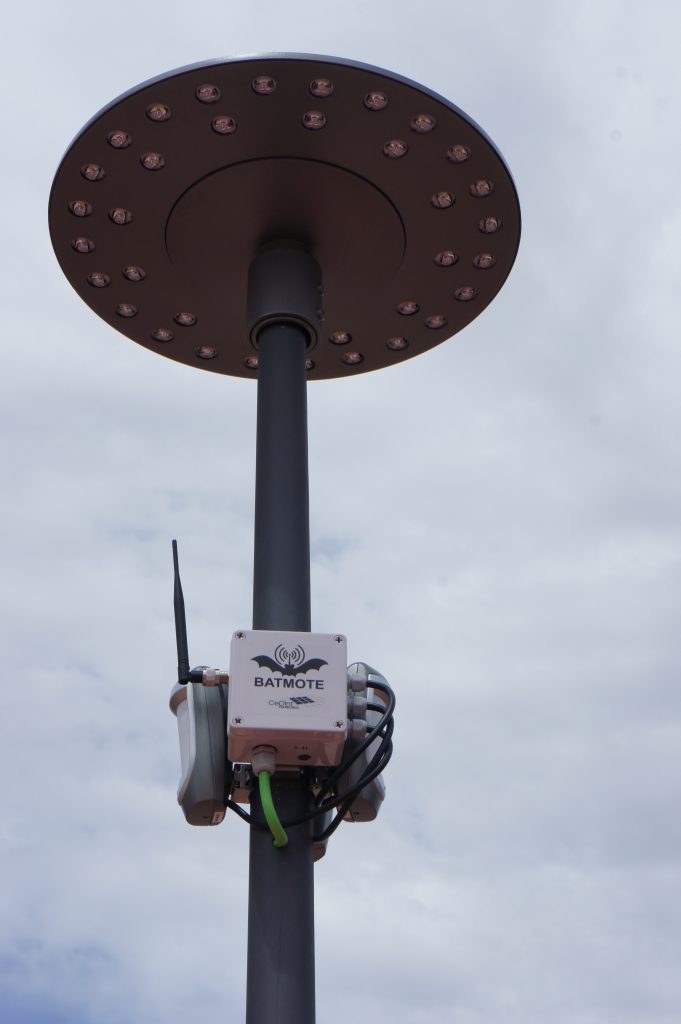
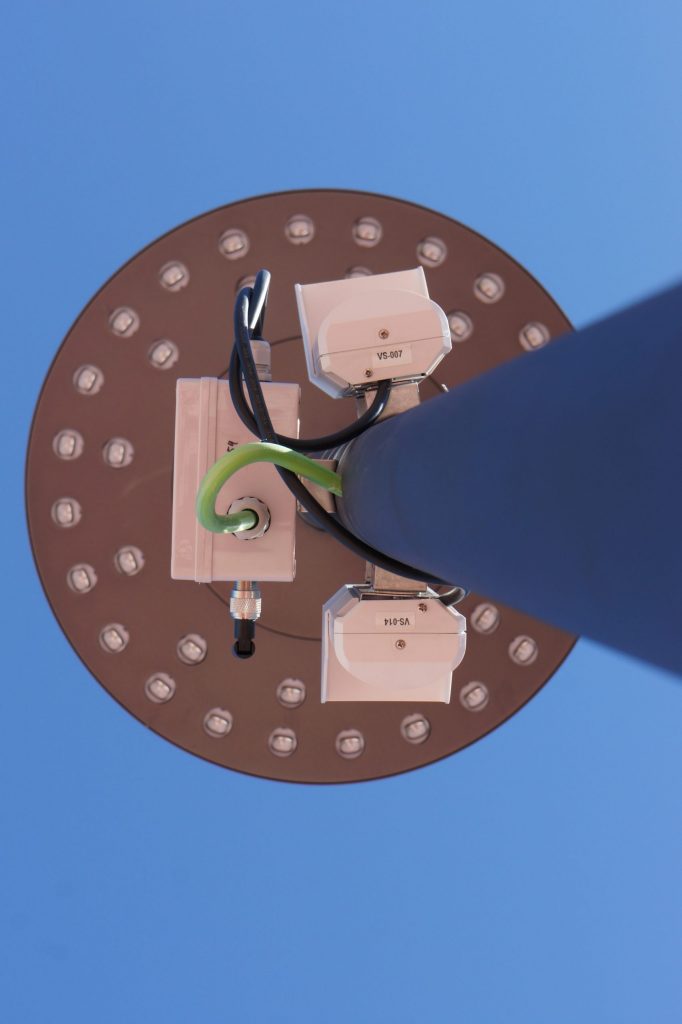
- Smart Lighting Pilot
- Smart Building Pilot
- Smart Home Pilot
There are three projects implemented on the Montegancedo campus (see image): Green Labs, Street Lighting, and Smart Building. These projects comprise a total of five wireless sensor networks connecting 222 nodes, including sensors and actuators. Additionally, CeDInt‑UPM has deployed a pilot in 20 private homes for energy consumption monitoring.
BatLink: Gateway / central network platform that provides network connectivity, centralized control, and includes the middleware that manages applications and user access.
Sensors:
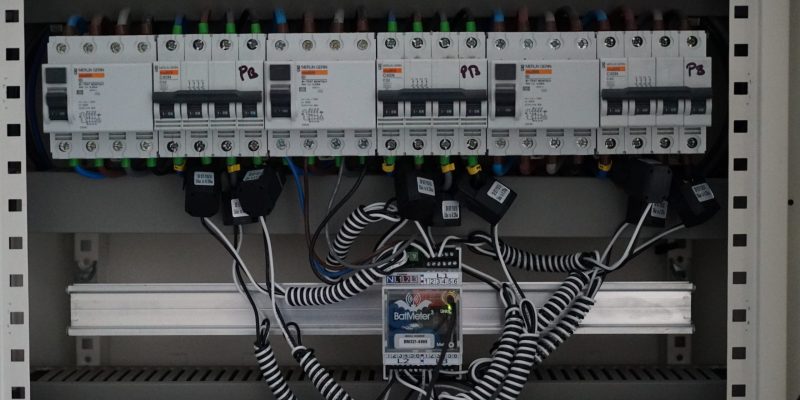
- BatMeter Single-phase: Single-phase meter for electrical panel connection, capable of measuring disaggregated consumption (kWh and power) for up to six lines, with 6LoWPAN output (over IPv6).
- BatMeter Three-phase: Measures electrical consumption in panels with up to six three-phase lines. Provides real-time measurements of voltage and current, effective voltage and current values, instantaneous real and apparent power, and accumulated real and apparent energy.
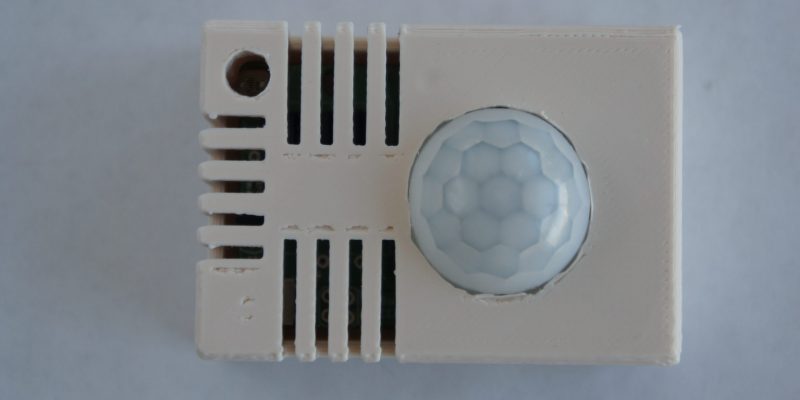
- BatSense: Multi-sensor capable of capturing various environmental parameters such as temperature, humidity, light, presence, and noise. Communicates via 6LoWPAN.
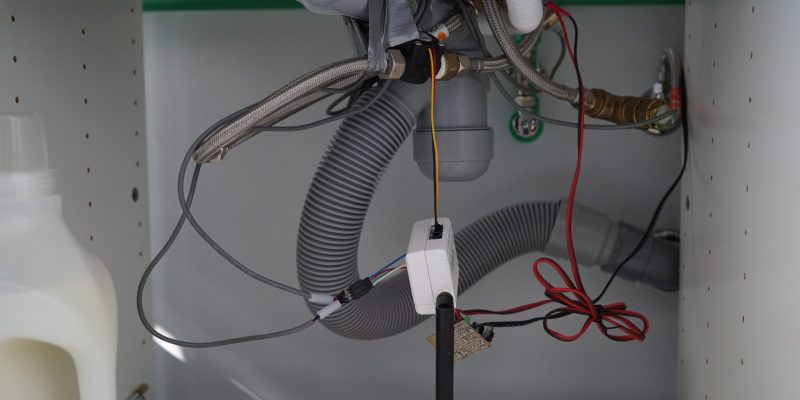
- BatWater
Actuators:
- BatDimmer: LED lighting controller that adjusts brightness from 0% (off) to 100% (maximum LED output).
- BatStreetLighting: Device specifically designed for public lighting. Includes light and presence sensors and a BatDimmer. Improves lighting quality while reducing light pollution and energy consumption.
- BatPlug: Smart plug with consumption meter and load control capability.
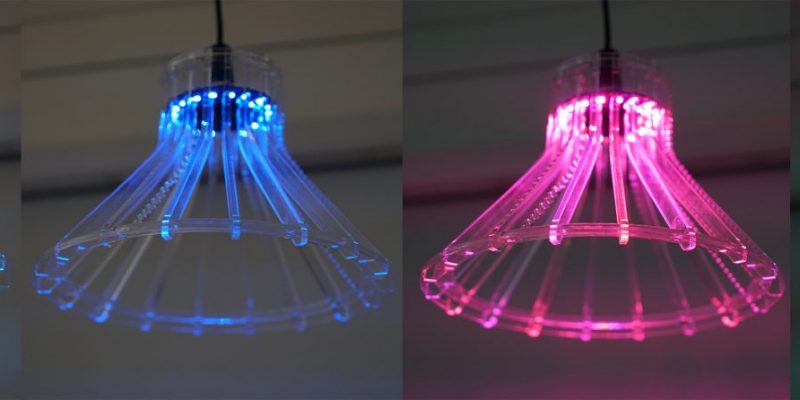
- BatLamp: LED luminaire with remote control capability through 6LoWPAN communication.