How can companies participate in the Madrid City Intelligence laboratory?

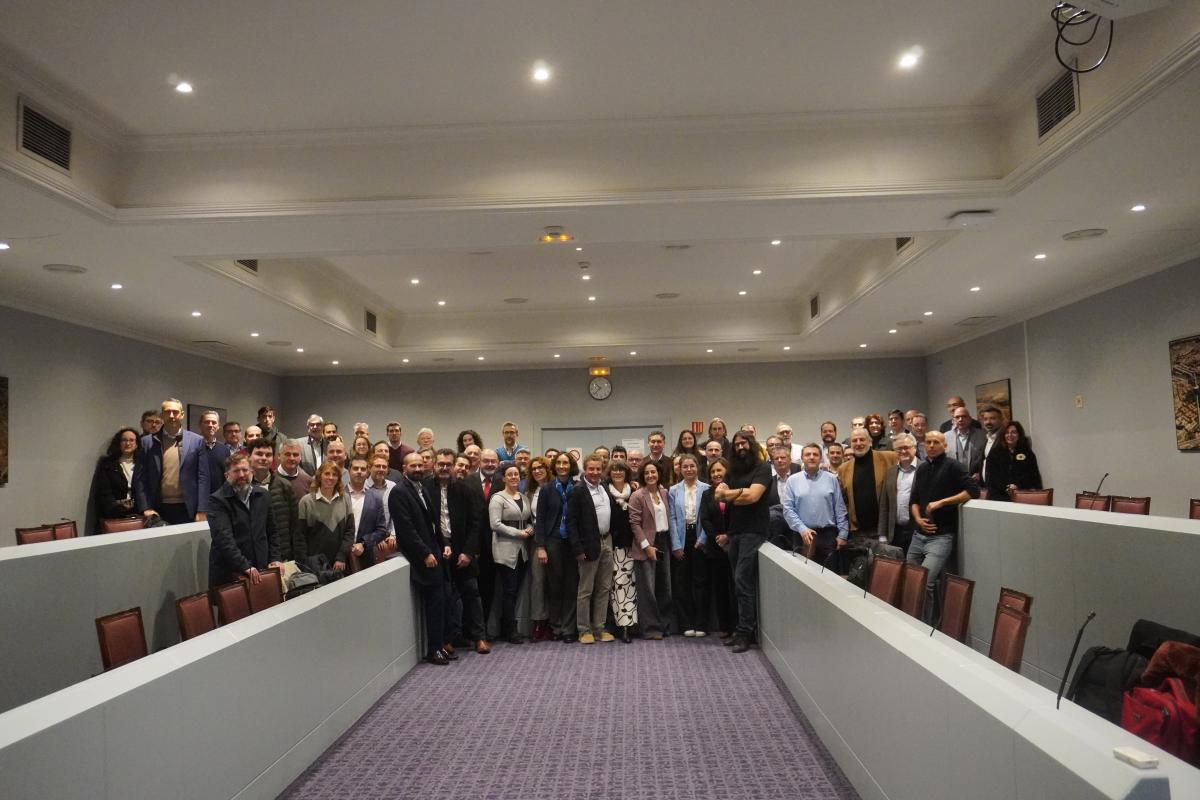
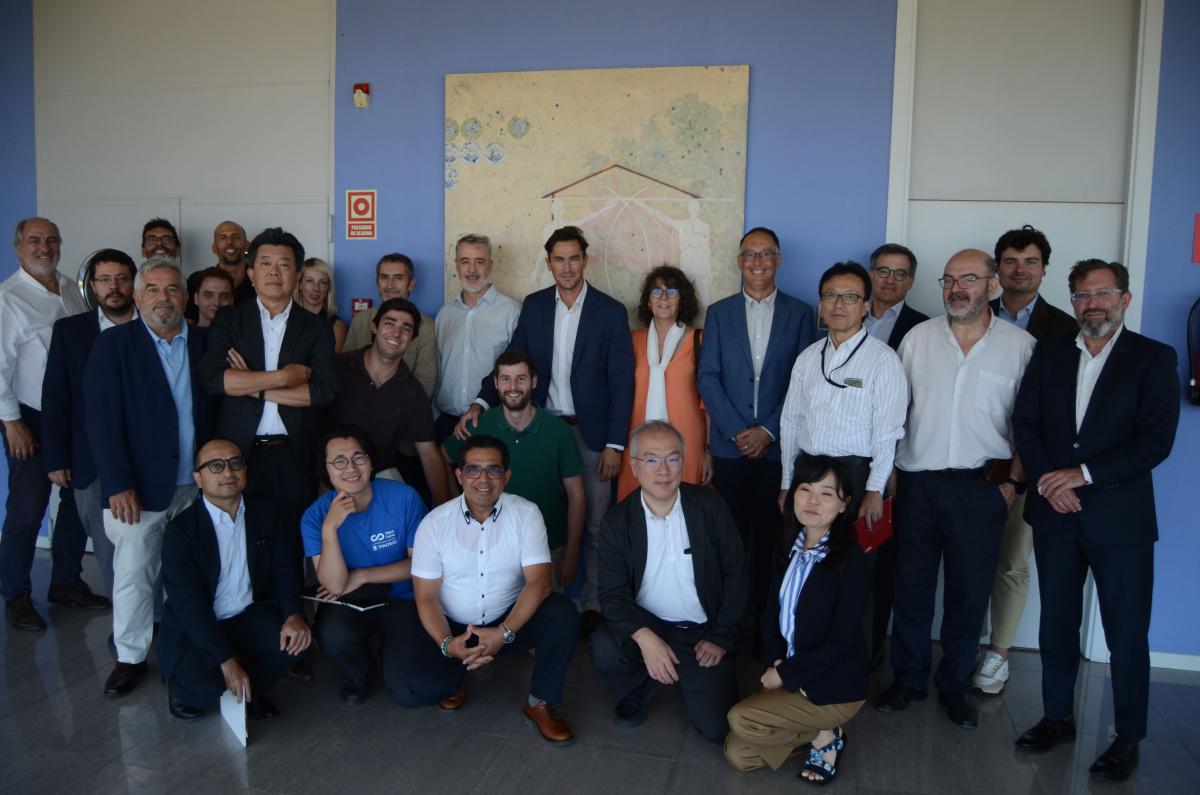
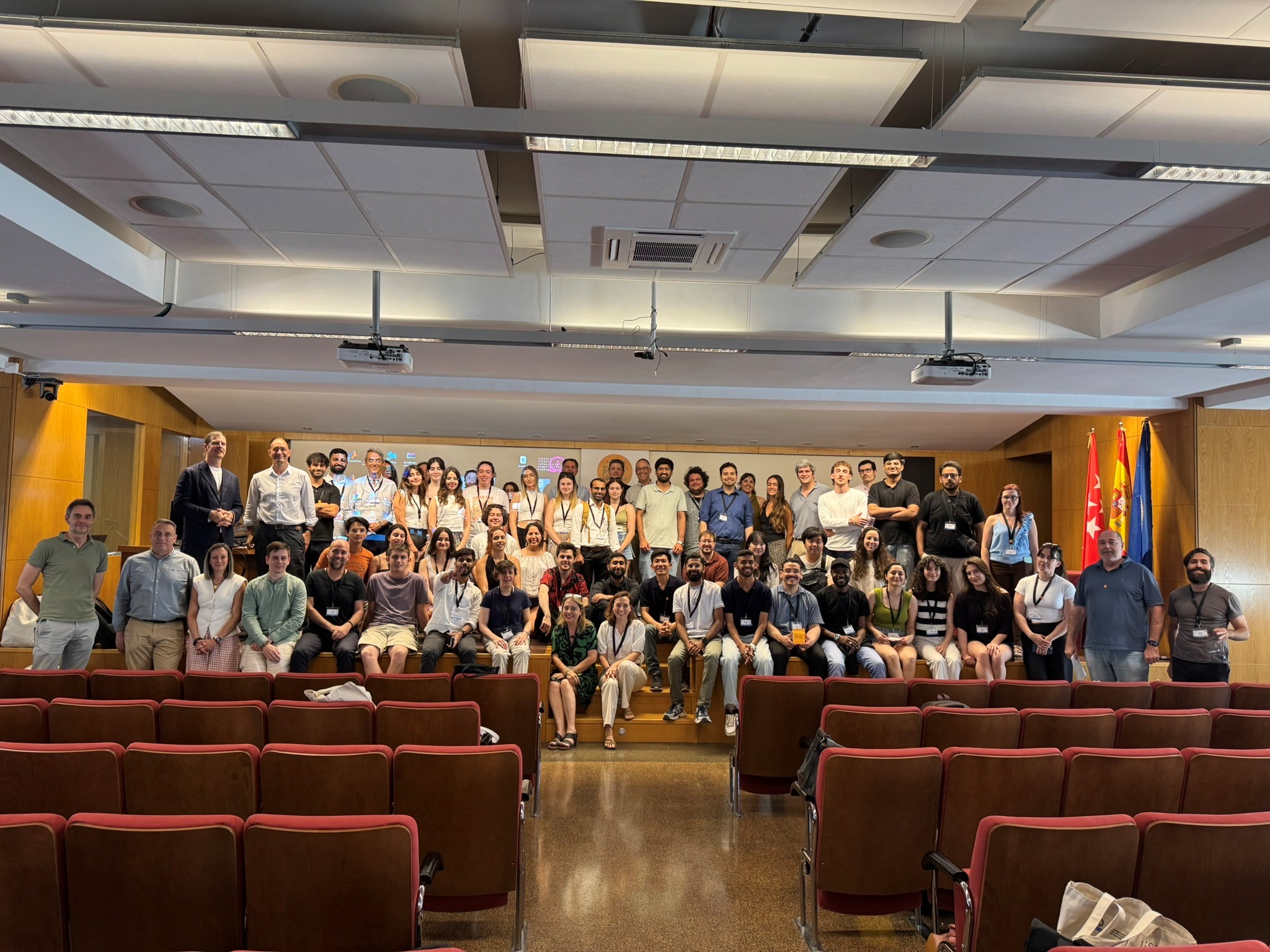
On Monday, November 24, a presentation was held in the Boardroom of the UPM’s Telecommunications Engineering School for companies interested in participating in the Madrid City Intelligence Laboratory. The session was led by Asunción Santamaría and Álvaro Araujo, representing the Polytechnic University of Madrid, and Sonia Crespo and Fernando Álvarez, representing the Madrid City Council.

During the meeting, the objectives and main lines of action of the Laboratory were presented, as well as the different forms of collaboration open to companies. In addition, there was a round of presentations that allowed attendees to share their concerns, proposals, and opportunities for collaboration.

The participation of the business community is key to strengthening public-private cooperation and consolidating an inclusive, multidisciplinary, and cross-cutting space that contributes to promoting a more humane, innovative, and digital city.

This initiative is part of the Digital Transformation Strategy promoted by the Madrid City Council’s Digital Office and forms part of the Collaboration Agreement signed between the Madrid City Council and the Polytechnic University of Madrid.

More information about the Madrid, Digital Capital Strategy here.

More information about the Digital Office here.

UPM Conecta arrives at CeDInt as an open community event

On 18, 19 and 20 November, CeDInt opened its doors to the UPM community on the occasion of UPM Conecta, a new initiative that transforms the Universidad Politécnica de Madrid into a meeting space for people, ideas, and centers, fostering cross-disciplinary knowledge and a sense of belonging. It is a celebration of the talent, diversity, and creativity that coexist every day at our university.

This initiative—open to PTGAS, PDI, UPM students, and the general public—has four main objectives:

  • Foster mutual understanding and interdisciplinarity

  • Explore the university beyond the classroom

  • Strengthen the UPM community and its relationships with industry

  • Open our doors to society

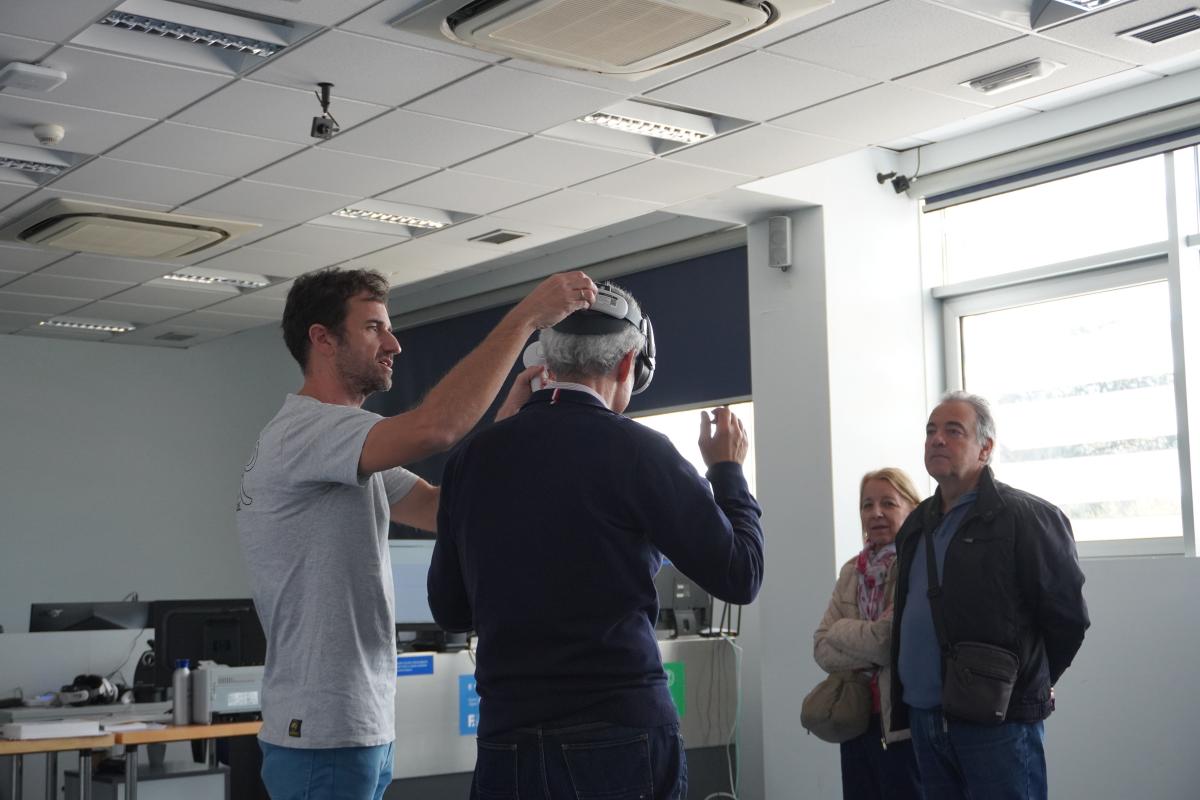
Visitors were able to learn first-hand about CeDInt’s research lines and projects, as well as the IoTMADLab, Energy Efficiency, and Virtual Reality laboratories. Participants even tested virtual reality devices, such as immersive headsets, that allow users to interactively experience simulated urban environments and intelligent systems.

With activities like this, CeDInt-UPM reaffirms its commitment to scientific outreach and the transfer of knowledge to society, bringing technological innovation closer to the public and encouraging scientific and technological vocations among visitors.

More information about the Madrid, Digital Capital Strategy here.

More information about the Digital Office here.

Madrid unveils its first smart urban space at Mercamadrid

Madrid, Digital Capital continues driving the green, digital, and social transition, promoting a new generation of urban services based on European principles for smart and sustainable cities.

Within this framework, Madrid is leading, together with Dresden, the European consortium Mobilities for EU, part of the Horizon Europe framework program. This project focuses on the development of real-world demonstrators, where disruptive technologies such as artificial intelligence (AI), 5G connectivity, Digital Twins, interoperable Internet of Things (IoT), and connected autonomous vehicles are applied, contributing to the objectives of the European 2030 Climate Mission.

Mercamadrid, Madrid’s first Smart Urban Space
As a result of this initiative, Mercamadrid has become the first Smart Urban Space in Madrid: a hyper-connected and hyper-automated environment where these technologies operate collaboratively.
The site features a 5G corridor, an interoperable IoT network, and a level 4+ autonomous vehicle that interacts in real time with surrounding elements. Data collected is integrated into a datalake and the energy and mobility data spaces established under Mobilities for EU, supporting data-driven urban management.

Presentation and Technology Demonstration Day
On November 11, Mercamadrid hosted the project’s presentation day, attended by representatives from the Madrid City Council, the Mayor of Madrid, the Mayor of Valladolid, Óscar García Suárez (Rector of UPM), as well as members of the European consortium and collaborating companies.
During the event, progress achieved was showcased, and practical demonstrations of the connected autonomous vehicle were held, consolidating Mercamadrid as a strategic hub for sustainable mobility and green logistics.

More information about the Madrid, Digital Capital Strategy here.

More information about the Digital Office here.

CeDInt celebrates Science Week with a guided tour of its facilities


As part of the 2025 Madrid Science Week, the CeDInt-UPM welcomed a group of visitors interested in learning more about the research activities and technological projects carried out at the center.

The visit began with a presentation by Roberto Prieto, Director of CeDInt, who explained the mission of the center and its main areas of work. During his talk, he highlighted the importance of applied research and public-private collaboration in fields such as energy efficiency, virtual reality, and Internet of Things (IoT) technologies applied to smart cities.

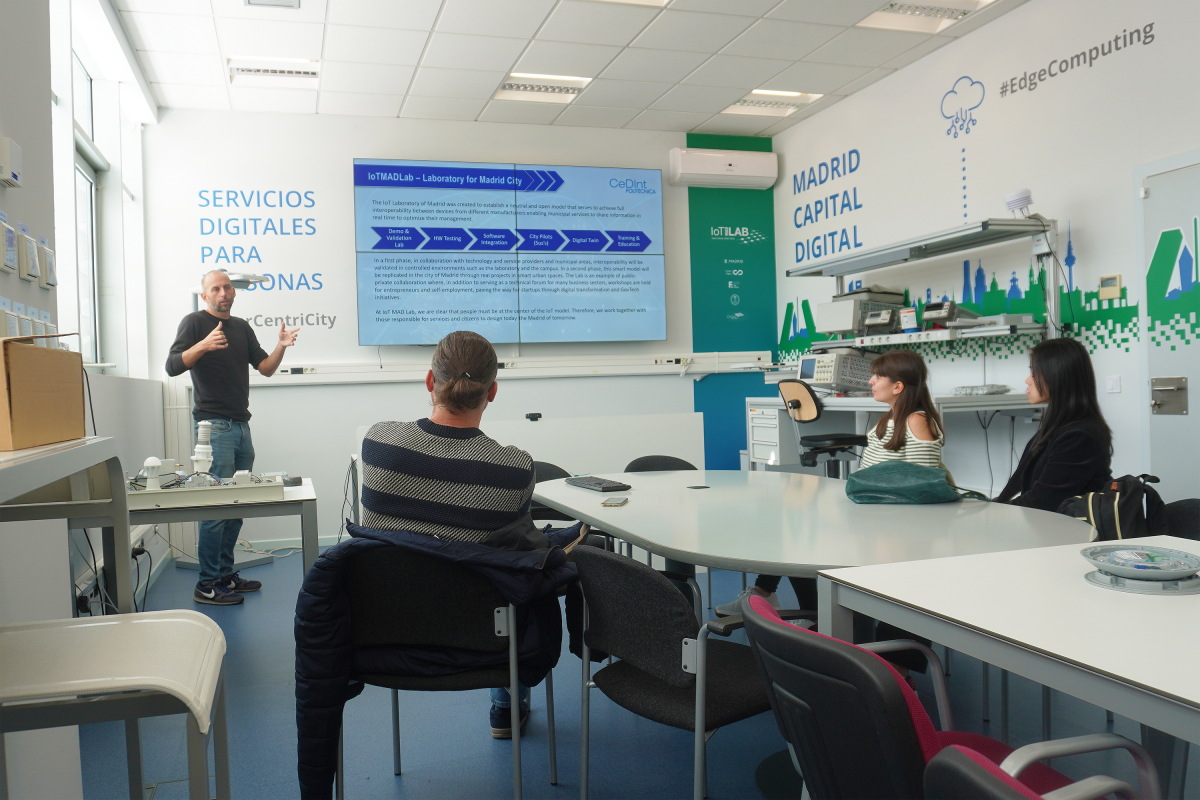
Afterwards, attendees toured the IoTMADLab, a laboratory jointly coordinated by the Madrid City Council and the Polytechnic University of Madrid. The lab serves as a testing and innovation space focused on the Internet of Things (IoT), promoting interoperability and the integration of urban technological solutions under an open and collaborative model.

The visit continued through the Energy Efficiency and Virtual Reality Laboratories, where participants learned about various ongoing projects and had the opportunity to experience virtual reality devices first-hand—such as immersive headsets—allowing them to interact with simulated urban environments and intelligent systems.

Through initiatives like this, CeDInt-UPM reaffirms its commitment to scientific outreach and knowledge transfer, bringing technological innovation closer to the public and fostering scientific and technological vocations among visitors.

More information about the Madrid, Digital Capital Strategy by clicking here.
More information about the Digital Office by clicking here.

A Japanese delegation visits CeDInt to learn about the open urban model

Yesterday, a working session took place at Cedint, where we shared Madrid’s open and interoperable city model and the collaborative framework of IoTMADLAB, which brings together the five axes of technological innovation: public sector, industry, academia/tech centers, entrepreneurs, and citizens.

We were honored to welcome representatives from the Ministry of Land, Infrastructure, Transport and Tourism (MLIT) of Japan, Mitsubishi Research Institute (MRI), MinebeaMitsumi Inc. and from the Economic Section of the Embassy of Japan in Spain.

Participants included representative of the embassy, the Assistant Director of the Telecommunications Office, Technology Research Division, Minister’s Secretariat, Ministry of Land, Infrastructure, Transport and Tourism, two members of Mitsubishi Research Institute and two from MinebeaMitsumi, accompanied by a representative from their Swiss subsidiary Paradox Engineering.

Good technological practices were shared and exchanged, among which the Valdemingómez Technological Park stands out.
Jose Luis Cifuentes presented the park’s visitor centre and the Smart Urban Space that is being implemented in Los Cantiles: Read more: https://lnkd.in/dUmEhbJP

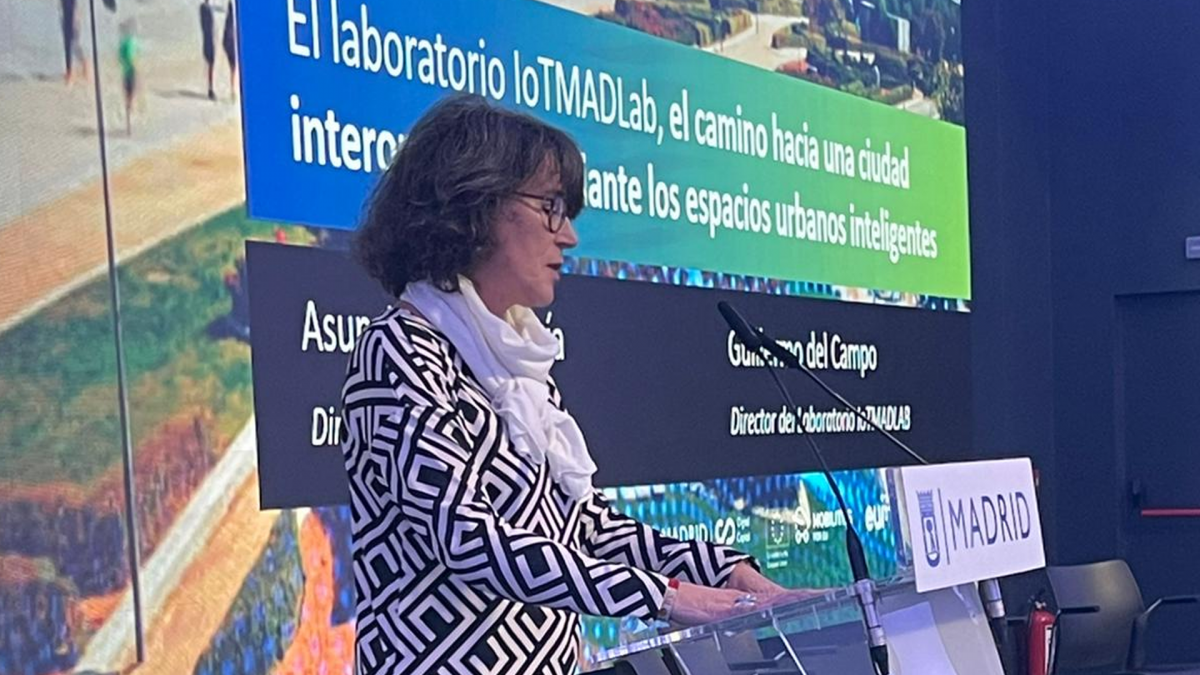
Asunción Santamaría, Director of IoTMADLAB, together with Roberto Prieto, director of Cedint, presented the collaborative working methodology and the city interoperability framework, as well as participation in standardisation and normalisation entities such as Open Mobile Alliance, Smart Data Models and AIOTI, with which we collaborate to establish the framework for a city that adapts in real time to the needs of people and the environment. #RealTimeCity #City5.0.

The scope of university-city collaboration was explained in order to establish a scalable, replicable, neutral, open, and interoperable model to advance a hyperconnected and hyperautomated city, involving four permanent groups on:
– AI-IoT
#CiberOT & #CiberCity (with Centro de Ciberseguridad del Ayuntamiento de Madrid)
– 5G-6G (including #5GMADnet deployment and 5G corridors)
– Data & AI

Participating on behalf of the Universidad Politécnica de Madrid were Juan Manuel Munoz-Guijosa (Rector’s Delegate For Innovation, Entrepreneurship And Transfer) and Manuel Sierra Castañer, director of the ETS de Ingenieros de Telecomunicación Universidad Politécnica de Madrid.

Demonstrators of MOBILITIES FOR EU Project were also showcased, including connected autonomous vehicles, #5GCorridors and #DataSpaces, currently being deployed at the #SmartUrbanSpace of Mercamadrid, S.A., with the collaboration of Gonzalo Reguera Díaz de Terán.

The Japanese delegation expressed interest in exploring collaboration opportunities between participating technology centres and #IoTMADLab to share knowledge and advance toward open and interoperable urban ecosystems.

More information about the Madrid, Digital Capital Strategy here.

More information about the Digital Office here.

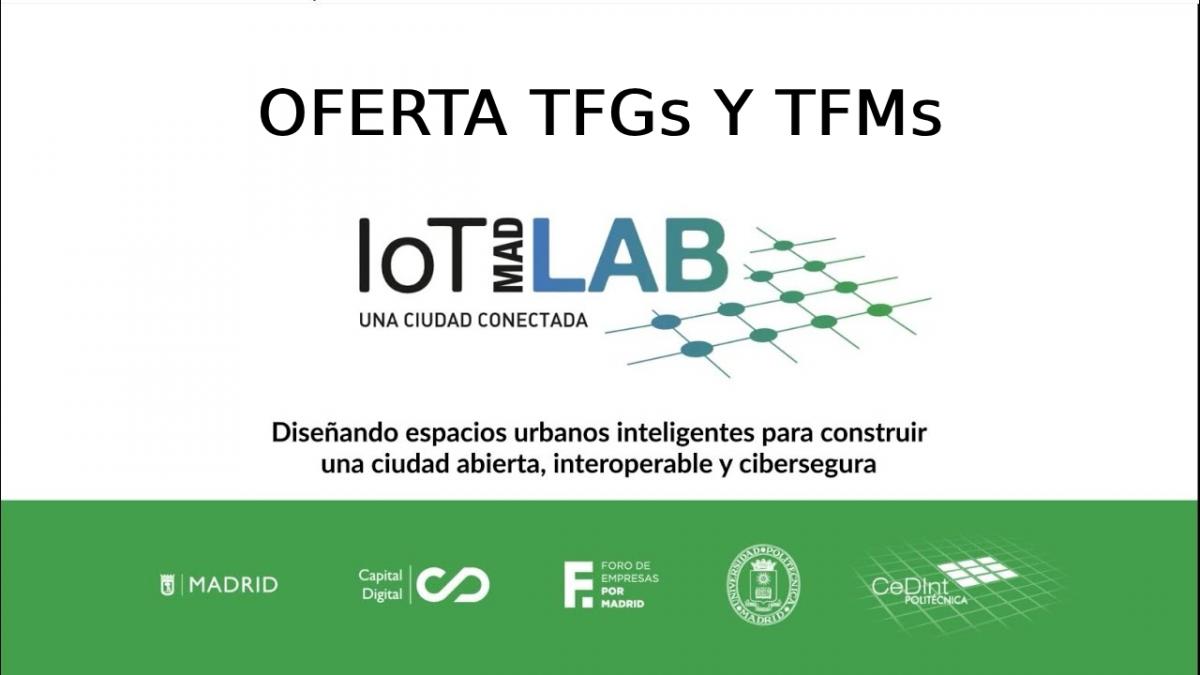
TFG and TFM opportunity on virtual simulators for smart cities

Are you a Bachelor’s or Master’s student in Telecommunications, Computer Science, or a related field?
Are you interested in virtual reality, 3D scene creation, and interactive environments?
This is your chance to join a real project that is helping to transform Madrid into a Smart City!

The CeDInt-UPM (Centre for Smart Infrastructure and Energy, Universidad Politécnica de Madrid) offers Bachelor’s and Master’s Thesis Projects (TFG/TFM) within a collaboration between the Madrid City Council and the UPM.
The goal is to design virtual models of urban spaces in Madrid, integrating Virtual Reality (VR) and Internet of Things (IoT) technologies.
More information: iotmadlab.es


Thesis Topics

  • Creation of Virtual Reality (VR) environments.

  • Design and development of 3D objects for VR scenarios.

  • Implementation of graphical user interfaces for VR applications.


Supervisors

  • Francisco P. Luque Oostrom

  • Prof. Asunción Santamaría Galdón

Location:
IoT Laboratory – CeDInt-UPM, Montegancedo Campus
View on Google Maps


Student Grants

  • Bachelor’s Thesis (TFG): €480/month (20 h/week)

  • Master’s Thesis (TFM): €640/month (20 h/week)

Some of the activities carried out under the study grant may be recognized as curricular internships, allowing students to earn elective credits.


Application Deadline

November 9, 2025


How to Apply

Send an email to fp.luque@upm.es including:

  • A brief statement of interest, and

  • Your academic transcript.


If you’re passionate about developing real solutions for a smarter city, don’t miss this opportunity!
Join a project with real impact on the future of Madrid.

Develop your TFG or TFM at the heart of the IoT: Madrid Smart City

Are you interested in electronic systems, IoT networks, and smart cities?

This is your opportunity to take part in a real project that is transforming Madrid into a Smart City!


Topic of the Final Thesis Projects (TFTs)

Integration of IoT networks for smart cities. Validation through pilot deployments.

The Bachelor’s and Master’s Thesis Projects will be developed as part of a collaboration project between the Madrid City Council and the Technical University of Madrid (UPM).
The goal is to design an open, neutral, and interoperable IoT network model for the city.

More information: https://iotmadlab.es/


Thesis Work Areas

  • Integration and validation of compatibility among IoT devices from different manufacturers.

  • Interoperability testing of 6LowPAN (IPv6) and 5G networks.

  • Deployment and testing of IoT systems in real pilot environments across the city of Madrid.


Supervisors

  • Prof. Guillermo del Campo Jiménez
    Email: guillermo.delcampo@upm.es
    Department of Electronic Physics (ETSIT)

  • Prof. Asunción Santamaría Galdón
    Email: asun.santamaria@upm.es
    Department of Electronic Physics (ETSIT)


Location

IoT Laboratory at UPM (CeDInt-UPM) – Montegancedo Campus
View on Google Maps


Study Grant (Scholarship)

  • Bachelor’s Theses (TFGs): €480/month (20 h/week)

  • Master’s Theses (TFMs): €640/month (20 h/week)


Academic Recognition

Some of the activities carried out as part of the grant or study aid may be recognized as curricular internships, allowing students to earn elective credits.


How to Apply

Contact the supervisors by email with a short statement of interest and your academic transcript.

Application deadline: November 9, 2025


Join a Project with Real Impact!

If you’re passionate about developing real solutions for a smarter city, don’t miss this opportunity.
Be part of the future of Madrid as a Smart City.

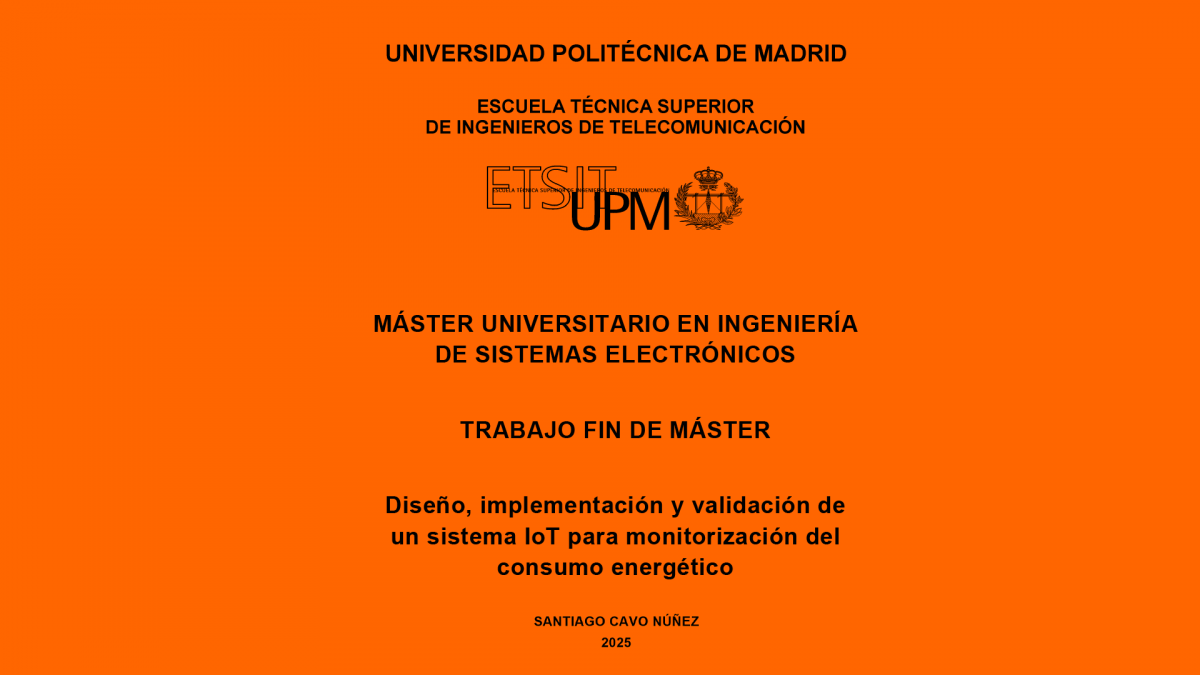
Design and validation of an IoT system for monitoring energy consumption

Date: September 2025

Author: Santiago Cavo Núñez
Supervisor: Guillermo del Campo Jiménez (Tutor, UPM)
School: Technical School of Telecommunication Engineering (ETSIT-UPM)
Program: Master’s Degree in Electronic Systems Engineering
Research Group: Home Automation and Energy Efficiency
Type of Work: Master’s Thesis (TFM)

Abstract and Relevant Contributions:

In his Master’s Thesis, Santiago Cavo Núñez designed and developed an Internet of Things (IoT) system for the monitoring and analysis of electrical energy consumption, aimed at improving efficiency, automation, and data-driven decision-making in smart environments.

The project presents a complete IoT architecture that integrates sensing, communication, and data processing layers. It uses non-intrusive sensors to collect electrical parameters such as voltage, current, and power in real time. These measurements are transmitted through low-power wireless communication protocols to a central server, where the data are processed, stored, and visualized via a custom web platform.

The system’s hardware is based on an ESP32-S2 microcontroller, chosen for its high performance and integrated Wi-Fi capabilities, ensuring scalability and energy efficiency. The software stack, developed in C/C++ and Python, enables real-time monitoring, alerts, and long-term data analysis to identify consumption patterns and potential inefficiencies.

After laboratory validation, the system demonstrated high reliability, accuracy, and low energy consumption, making it suitable for integration into smart building environments and industrial facilities.

This work contributes to the development of sustainable and connected energy management systems, offering a practical and adaptable solution aligned with the goals of energy efficiency and environmental responsibility promoted by the UPM’s Home Automation and Energy Efficiency Group.

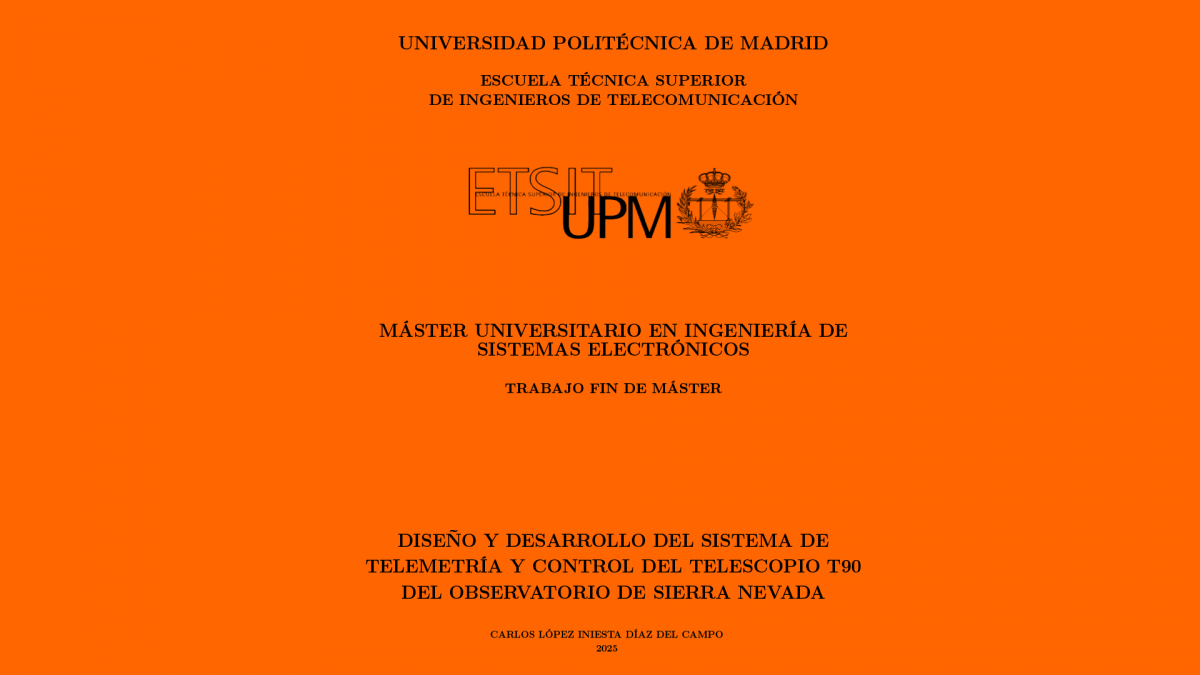
Design and development of the control system for the T90 telescope

Date: September 2025

Author: Carlos López Iniesta Díaz del Campo
Supervisor: Guillermo del Campo Jiménez (Tutor, UPM)
School: Technical School of Telecommunication Engineering (ETSIT-UPM)
Program: Master’s Degree in Electronic Systems Engineering
Research Group: Home Automation and Energy Efficiency
Type of Work: Master’s Thesis (TFM)

Abstract and Relevant Contributions:

In his Master’s Thesis, Carlos López Iniesta Díaz del Campo developed an advanced telemetry and control system for the secondary mirror of the T90 Telescope at the Sierra Nevada Observatory (OSN), aiming to enhance the telescope’s precision, stability, and energy efficiency.

The project combines embedded control technologies with high-precision instrumentation to provide the telescope with automatic focusing capabilities, ensuring optimal image sharpness and enabling mechanical fault detection through energy consumption monitoring.

The system features a custom-designed electronic architecture centered on an ESP32-S2 microcontroller, chosen for its integrated Wi-Fi connectivity and energy efficiency. Complementing this are an ADS131M03 analog-to-digital converter, which delivers high-precision voltage, current, and position readings, and a TB6600HG stepper motor driver that manages the movement of the secondary mirror.

The firmware, developed in C/C++ using Arduino and FreeRTOS, handles data acquisition, motor control, and bidirectional communication with the telescope’s central system via TCP/IP sockets.

During the validation phase, laboratory tests confirmed the system’s high reliability in motor control, accurate detection of safety events (limit switches and stop commands), and efficient power monitoring. The results demonstrate that the solution meets the required precision, robustness, and safety standards, making it ready for integration into the telescope’s control platform.

This work represents a significant contribution to the field of astronomical instrumentation, providing an efficient and adaptable system that improves maintenance processes, reduces the risk of mechanical failures, and extends the operational life of scientific observation equipment.

CeDInt, collaborating entity of the Smart Energy Congress 2025

The CeDInt-UPM will participate as a collaborating entity in the Smart Energy Congress 2025, the largest professional forum on technological innovation for energy efficiency and sustainability, organised by the enerTIC.org platform. The congress will be held on 8 and 9 October in Madrid.

As a collaborating entity, CeDInt is joining the congress’s communication and dissemination plan, promoting innovation in energy, digitalisation and sustainability.

Featured activities:

  • Presentation press conference: will take place on 23 September (10am-11am) at the Madrid International Lab (Madrid City Council), with the participation of organisations and the media.

  • Support for the call: CeDInt will promote participation on its digital channels, including LinkedIn and other networks, under the hashtag #SEC2025Madrid.

  • Guest Landing: CeDInt will provide its contacts with a special invitation link and promotional codes to access the event.

More information

The conference will bring together major technology companies, energy companies, public administrations and research centres, creating a space for debate and networking on the role of technological innovation in the energy transition.

You can consult the materials and resources on the official enerTIC.org website: https://enertic.org/congreso/documentos-y-materiales-para-empresas-participantes-sec2025/


We present the operation of CuExplorer, an innovative app to support learning in Metallurgical Physics

This mobile application, developed as an XR tool by CEDINT-UPM as part of the European SkiComCu project, uses Augmented Reality (AR) to visualise copper-based crystals as the main element, their bonds and characteristics in an interactive 3D environment. With CuExplorer, students can explore crystal structures from different perspectives, interact with them and better understand the role of copper in materials science.
These technologies offer added value to training in highly demanding sectors, adapting to the specific needs of mining and metallurgy to improve process safety and efficiency and address challenges such as sustainability and new technological and market developments.

SkiComCu aligns itself with EIT RawMaterials’ vision of consolidating the raw materials and advanced raw materials sector as an important competitive strength for Europe, ensuring continuously updated and therefore efficient and safe training, similar to the cost-effective, sustainable and innovative use of raw materials (in the case of SkiComCu, copper) from secure and traceable sources.

SkiComCu is a strategic continuous training programme for EU territories, as it addresses the need to increase innovation capacity in all EIT territories, with a particular focus on EIT RIS territories. SkiComCu aims to address all the strategic objectives of the EIT’s raw materials agenda for the period 2021-2027.

With these initiatives, CEDINT has established itself as a leader in technological innovation applied to industry, demonstrating its commitment to knowledge transfer and the development of impactful solutions for the sector.

You can learn how the application works in the following video: https://www.youtube.com/watch?v=ZxmatEfZYz8


IoTMADLab is seeking an R&D project manager to join the Cedint team

The Cedint UPM is opening a selection process to recruit an R&D Project Manager within the framework of the agreement with Madrid City Council for the application of smart city technologies in municipal services (2024-2028). The position offers the opportunity to work in an innovative university environment with a high scientific impact, within the IoTMADLab laboratory.

The selected candidate will be responsible for managing and coordinating the project, including supporting agreements with companies, organising meetings, monitoring the work plan, managing documentation, preparing technical and financial reports, and supporting budget execution and contracting processes. We are looking for a candidate with a university degree, experience in administrative management in the academic or research field, and knowledge of public procurement, processing of expenses and income, and university procedures.

The contract is permanent in nature for scientific-technical activities, with a full-time working week of 37.5 hours. An upper-intermediate level of English and advanced knowledge of office tools, collaborative platforms and document management are required.

More information here: https://web.upm.es/hrs4r/es/hrs2025454-gestor-de-proyecto-de-idrd-project-manager

More information about the Madrid, Digital Capital Strategy by clicking here.
More information about the Digital Office by clicking here.